ODM is facing internal tensions and leadership challenges, with Kileleshwa MCA Robert Alai warning of a growing disconnect between party leaders and grassroots supporters.
He criticised weak discipline and unresolved conflicts, arguing that the absence of strong central leadership has left the party struggling to maintain cohesion and direction in a changing political landscape.
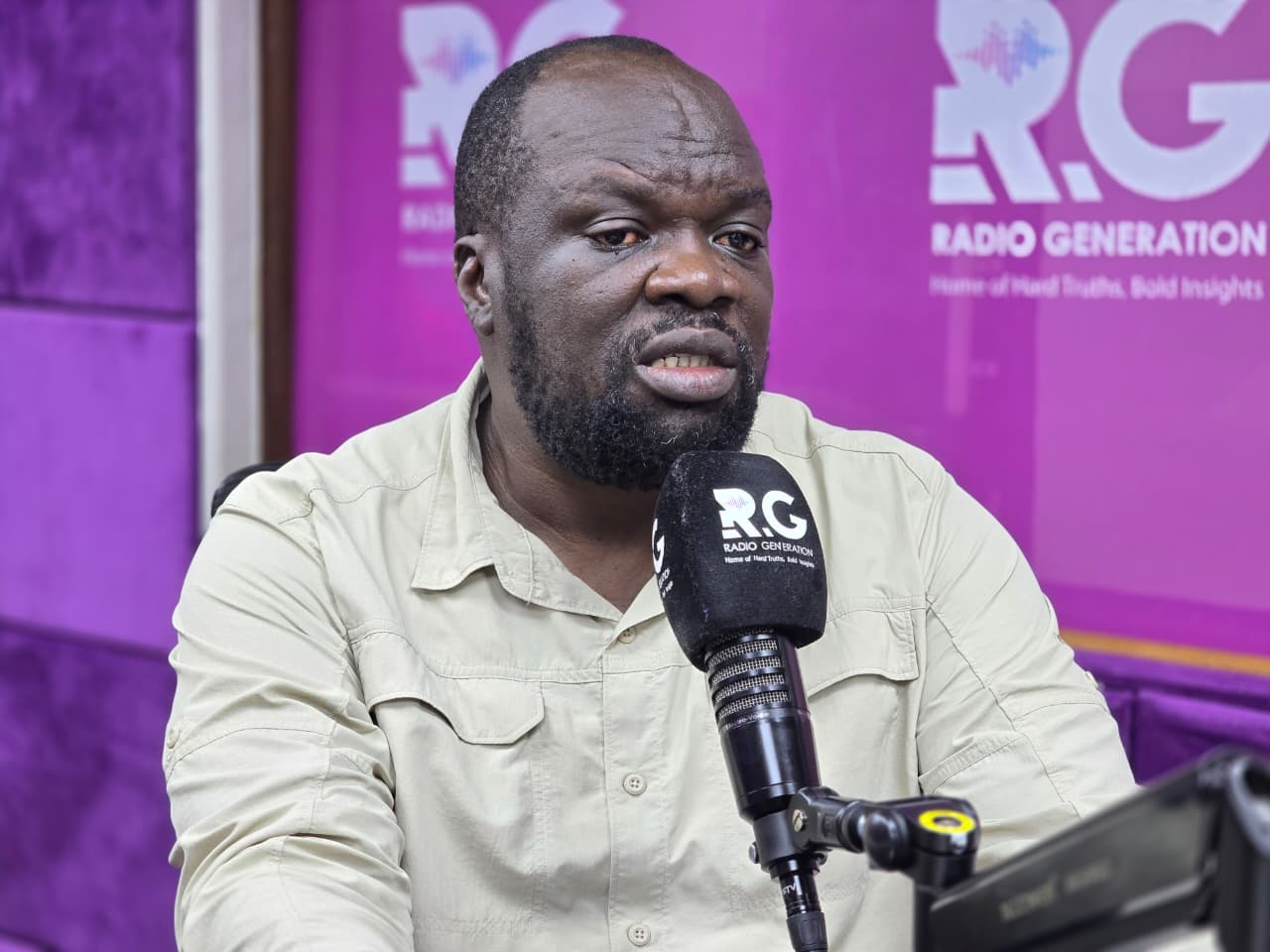
Speaking during a Radio Generation interview on Monday, Alai acknowledged the successful organisation of a recent party event (ODM SDC), describing it as “very well managed” and “very procedural,” with strict security checks for both vehicles and attendees.
However, he said such events often overlook the contribution of grassroots supporters who sustain the party.
“There are people who are addicted to supporting ODM; those guys would put their life on the line just for ODM to survive,” he said, emphasising their central role as “the spine of the party.”
He noted that it was “very touching” to see leaders engage with these supporters after the event, but warned that such recognition is rare, with many often forgotten once leaders leave.
Alai attributed ODM’s current challenges to what he described as weak leadership structures and failure to enforce discipline. “For you to run a disciplined formation, you need to put some things in order,” he said.
He cited tensions surrounding Nairobi Senator Edwin Sifuna, suggesting that the party leadership has struggled to manage internal dissent. “I don’t blame Sifuna, it is the leadership, they have to wake up,” he said.
According to Alai, the leadership has allowed certain individuals such as Sifuna to retain influence without accountability.
“They have given him so much power that they can do nothing,” he said, adding that this has created confusion within party ranks.
He also criticised the lack of clear priorities during key meetings, describing the recent gathering as “anti-climax” because major issues affecting the party were not addressed.
“The most important agenda was not on the agenda,” he said, suggesting that unresolved internal matters continue to weaken the party’s cohesion.
Alai further raised concerns about the party’s relationship with young supporters, echoing sentiments expressed by Winnie Odinga regarding the need for a “new ODM.”
“We have ignored the voice of the young people, and that is very true,” he said, arguing that youth representation within the party is inadequate and disconnected from its base.
He criticised the appointment of older individuals to youth leadership roles, saying this undermines the ability to connect with younger members. “Young people need somebody who can talk to them their language,” he said.
The Kileleshwa MCA suggested that embracing modern communication methods, including digital platforms and youth-led initiatives, could help revitalise the party.
“These young people, with their phones, they can be doing wonders for this party,” he said.
He warned that continued neglect of youth voices could have long-term consequences. “I don’t think that ODM can sustain itself for the next five years without the voice of the young people,” he said.
The MCA also linked the party’s current struggles to the absence of its long-time leader Raila Odinga, describing him as a unifying figure who previously managed conflicts and provided direction.
“When you have a father who is once in a lifetime, suddenly he is absent, you are lost,” he said.
He described Odinga as “the peacemaker, the lawyer, the administrator,” noting that his hands-on leadership style helped maintain order within the party.
In his absence, Alai said ODM leaders have struggled to assert authority and make critical decisions. “The leadership is refusing to make very hard decisions,” he said.
He pointed to confusion within Nairobi County, which he described as ODM’s political stronghold, where key leaders are allegedly not aligned with the party’s direction.
“Who does Oburu speak to?” Alai asked, referring to difficulties in Oburu coordinating party officials at the county level.
He argued that despite ODM’s strong support base, particularly among low-income voters, the lack of decisive leadership risks eroding confidence among supporters.
“The mainstay of ODM is the poor people, this person needs somebody who is confident that can lead them,” he said.
Alai concluded by calling for urgent restructuring within the party, warning that failure to act could weaken ODM’s position in Kenya’s political landscape.